Stadiums, arenas, racetracks and entertainment venues are often designed around a limited number of major events. Their long-term value, however, depends on how effectively the asset, its operations and its surrounding ecosystem perform throughout the year.
ADERASSA helps owners, developers and operators connect venue strategy, infrastructure, programming, hospitality, technology and complementary uses around a coherent operating vision.
Increasing active days is not simply a programming question. Access, circulation, services, operating zones and commercial uses must work together so the venue can support a broader range of activities without compromising its primary function.
Clarify the venue’s role, priority audiences, use strategy, surrounding ecosystem and long-term performance objectives.
We connect the asset’s primary purpose with complementary uses that are relevant to its market and stakeholders.
Align access, flows, spaces, services, technology and hospitality requirements during planning, design or transformation.
This helps owners, operators, teams, promoters and public stakeholders work from a clearer shared direction.
Examine programs and uses that can extend activity beyond major events, subject to market and operational realities.
We also support the definition of services, processes, roles and operating scenarios before opening, reopening or transition.
We draw relevant lessons from hospitality, attractions, event venues and destination environments.
Those lessons are adapted to each asset’s market, audiences and operating realities rather than applied as a standard formula.
We begin with the venue’s primary function, operational constraints and long-term performance objectives.
Technology, marketing and experience initiatives are considered in support of the core asset—not in isolation.
We connect strategic intent with functional requirements, design decisions, operating models and implementation priorities.
This helps preserve coherence as a project moves from vision through development, transformation or operational change.
We examine the journey beyond the event itself, including arrival, circulation, services, hospitality and departure.
The approach considers fans, guests, visitors, staff, partners and other audiences with different needs.
We help teams test how spaces, flows and services can adapt to different uses and operating conditions.
The objective is to increase flexibility without weakening the venue’s principal purpose or critical operations.
We consider how the venue relates to its surrounding district, transport, public space, commercial uses and potential partners.
This broader view helps connect the asset to a more coherent destination ecosystem.
We align hospitality concepts, premium experiences and service requirements with the venue’s audiences, market and operating model.
The focus is on relevant, deliverable services rather than amenities added without a clear role.
We connect physical and digital touchpoints where they can improve clarity, service quality and operational performance.
Each touchpoint should serve a defined visitor or operational need.
We define the role of technology from operational requirements and desired visitor outcomes.
This keeps technology integrated with services, spaces and processes instead of becoming a separate, technology-first layer.
We help owners, operators, designers, promoters, partners and public stakeholders work from clearer shared objectives.
Early alignment supports more consistent decisions across planning, delivery and operations.
A major event-led venue in a mature metropolitan market sought to strengthen its relevance beyond its primary calendar while protecting the requirements of its core activity.
Project details are anonymized for client confidentiality.
The asset needed a clearer year-round use strategy, more adaptable spaces and services, and stronger coordination between development decisions and future operations.
The challenge was to broaden activity without applying a generic mixed-use formula or disrupting primary events.
ADERASSA helped frame how venue strategy, visitor journeys, hospitality, technology and complementary uses could work as one operating ecosystem.
The work considered the needs of owners, operators, event teams, partners and public stakeholders.
Our contribution connected strategic objectives with functional requirements, operational scenarios, service concepts and implementation priorities.
The assignment evolved with the project while maintaining continuity between planning and operations.
The scope included:
The work helped clarify how the venue could support a broader range of uses while protecting its primary function and operational requirements.
Detailed results remain confidential. This example illustrates ADERASSA’s ability to connect asset strategy, visitor experience and operational planning over an extended project lifecycle.
Complex venues perform more effectively when strategic, spatial, service and operational decisions are considered together.
This experience demonstrates a long-term, integrated approach without disclosing the client, venue, location, distinctive figures or confidential project information.
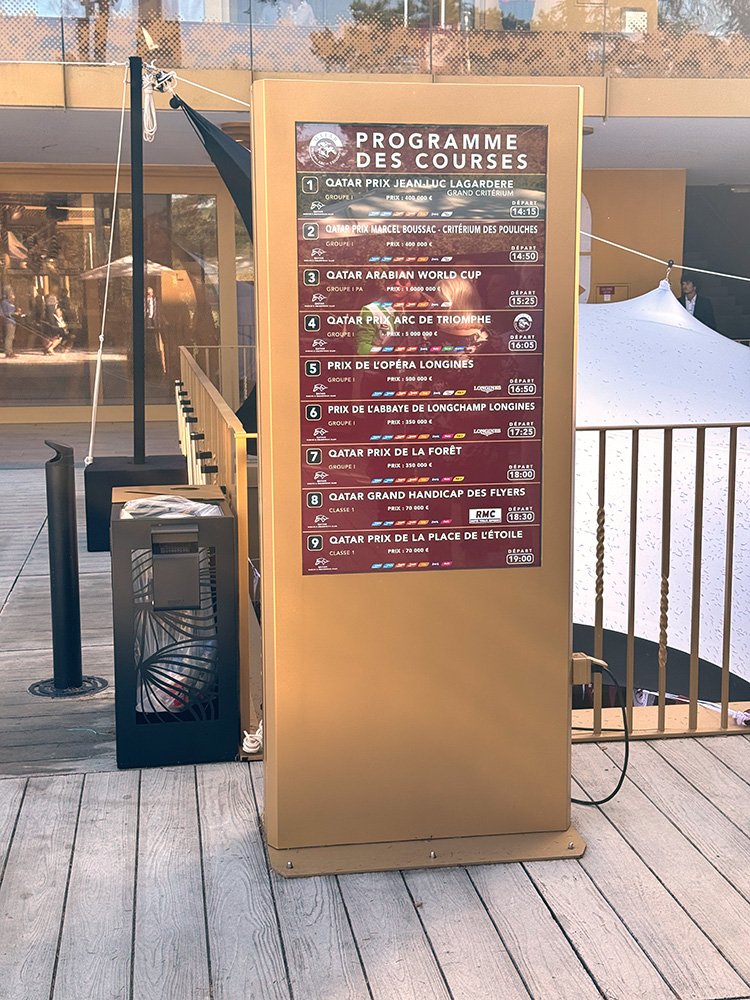
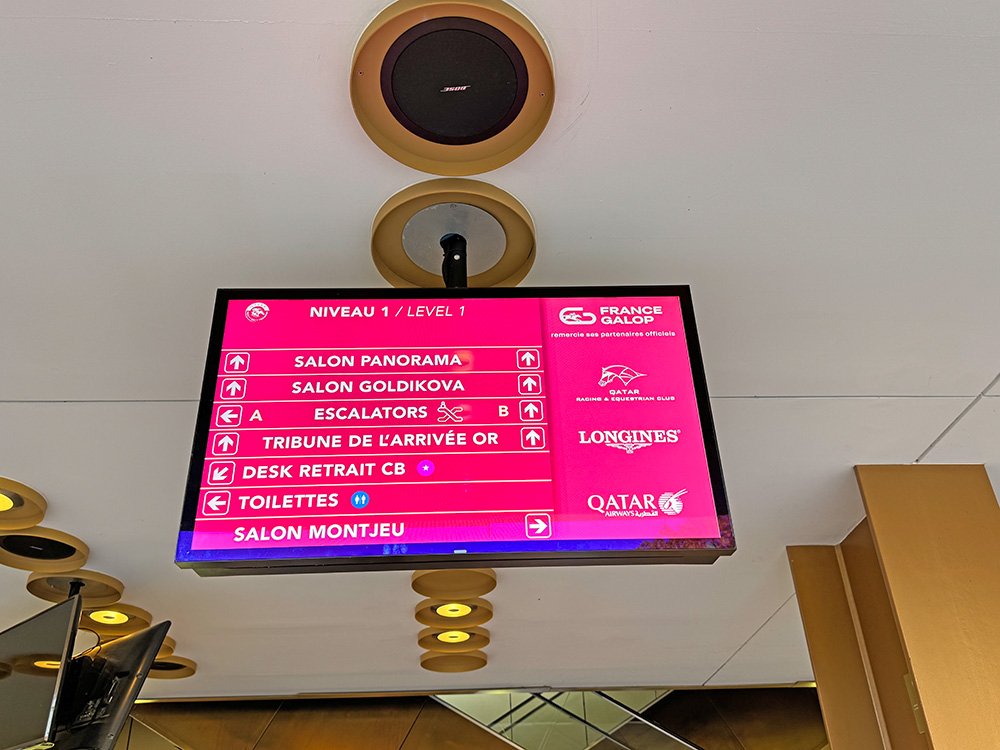
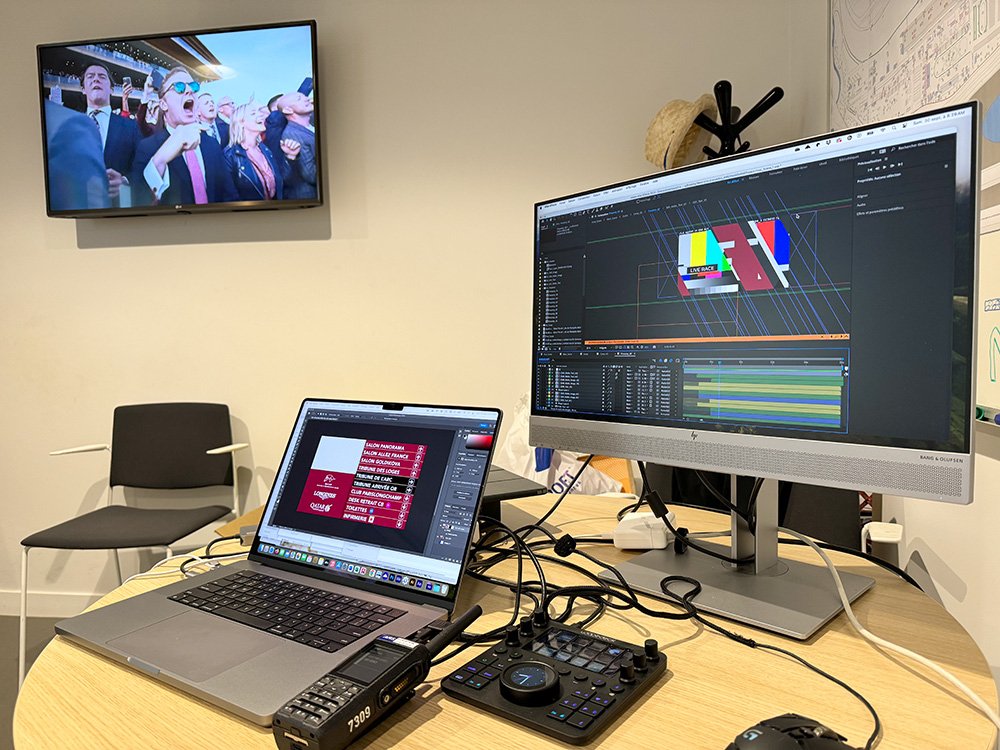
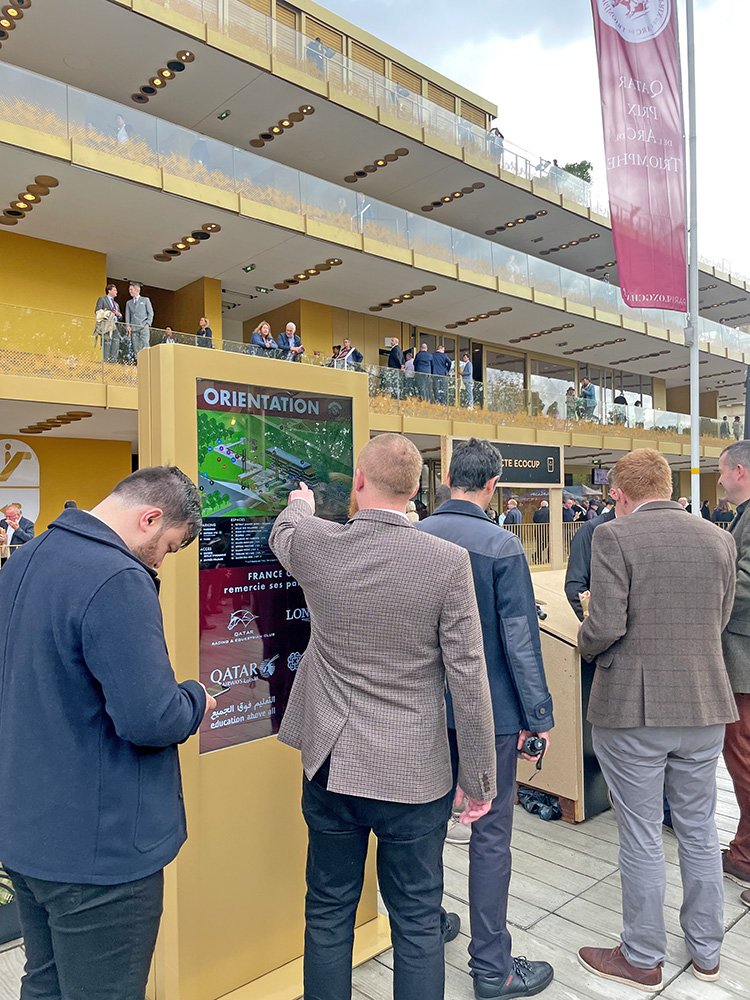
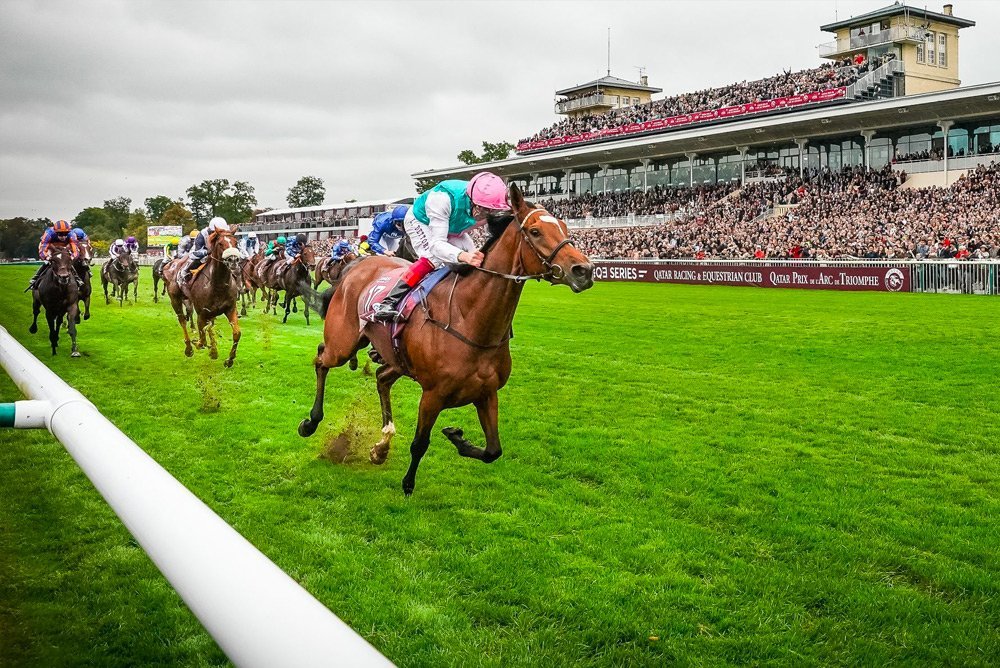
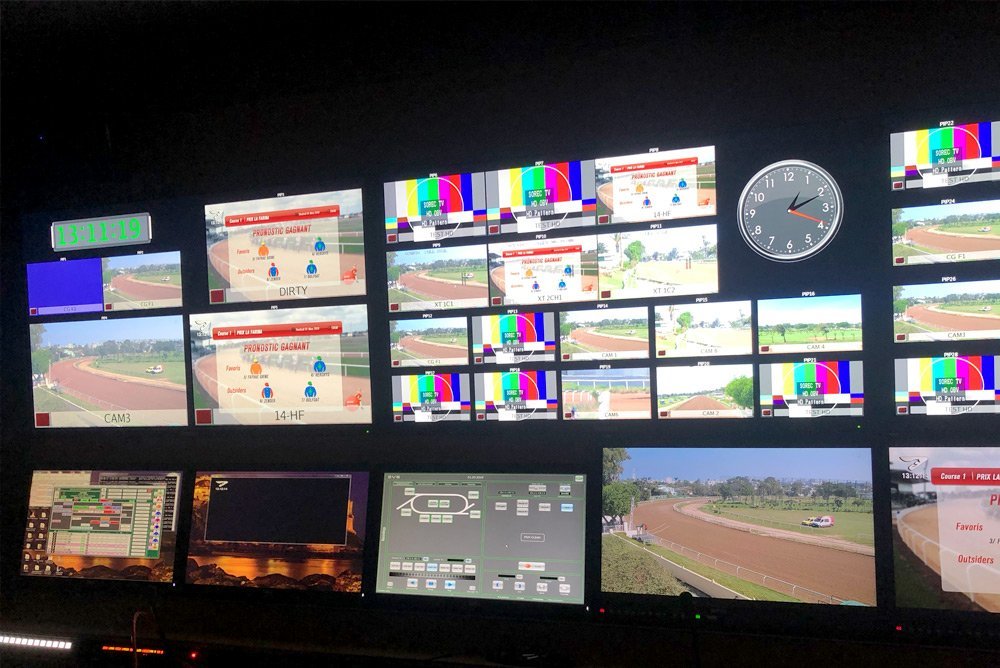
ADERASSA has supported ParisLongchamp through aderassa.studio by connecting content planning, digital signage operations and the requirements of different event formats.
The work includes the coordination of content across the venue’s screen network, remote content management and the preparation of event-specific material.
Digital signage is treated as part of the visitor and operational environment: information, programming and event content must remain clear, timely and consistent with activity across the venue.
This example illustrates how an ongoing digital capability can support venue operations without being treated as a separate technology layer.
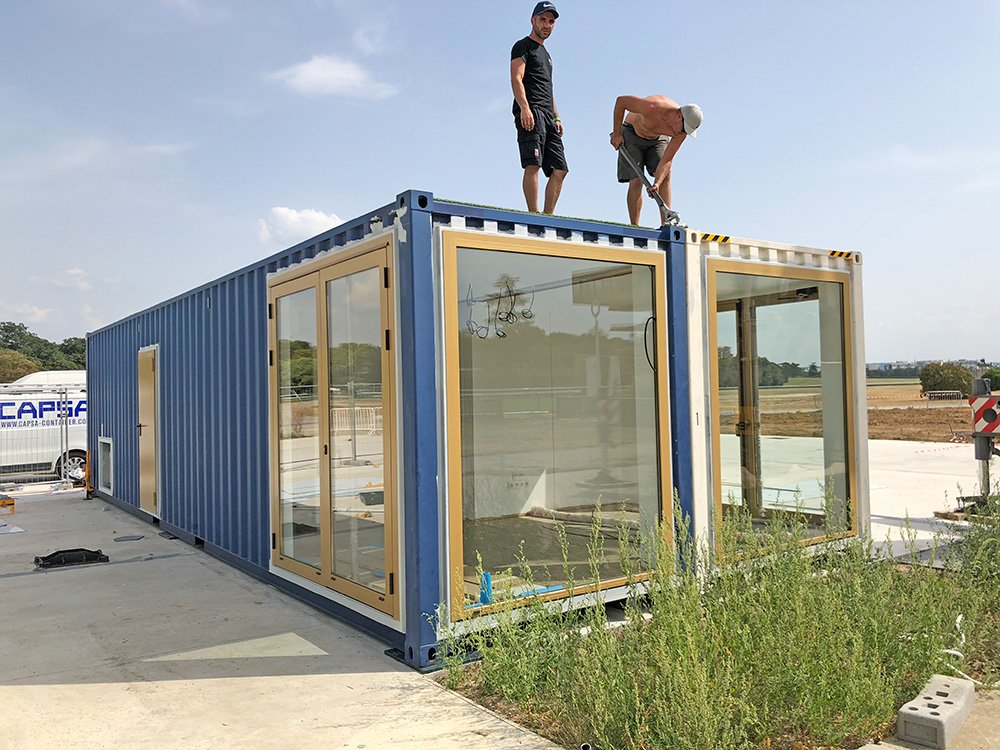
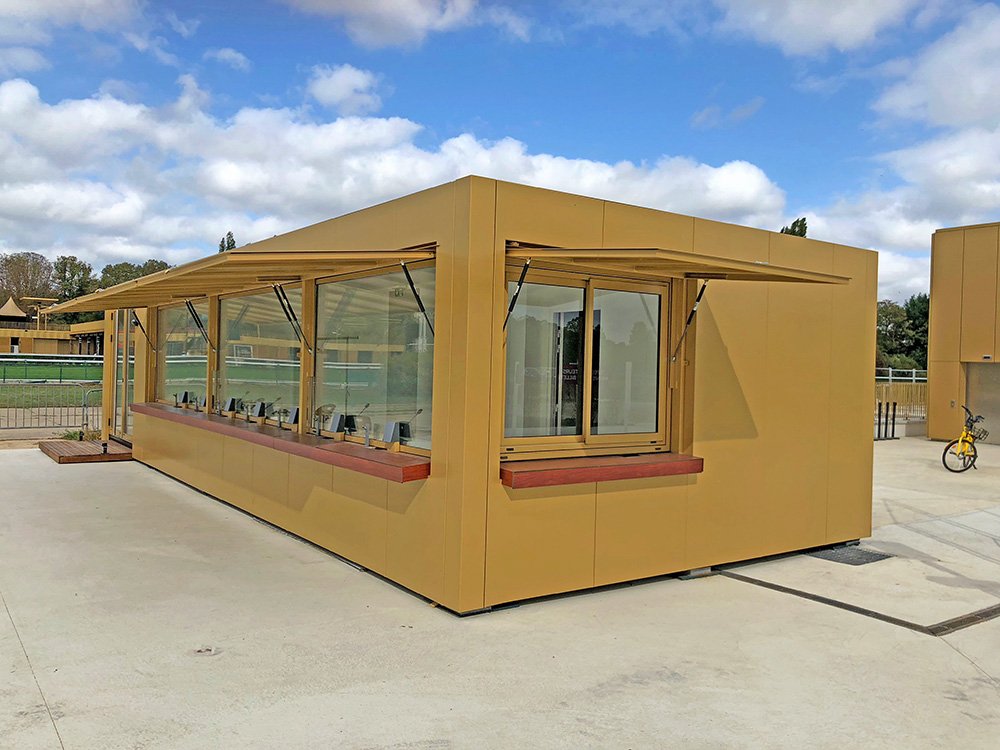
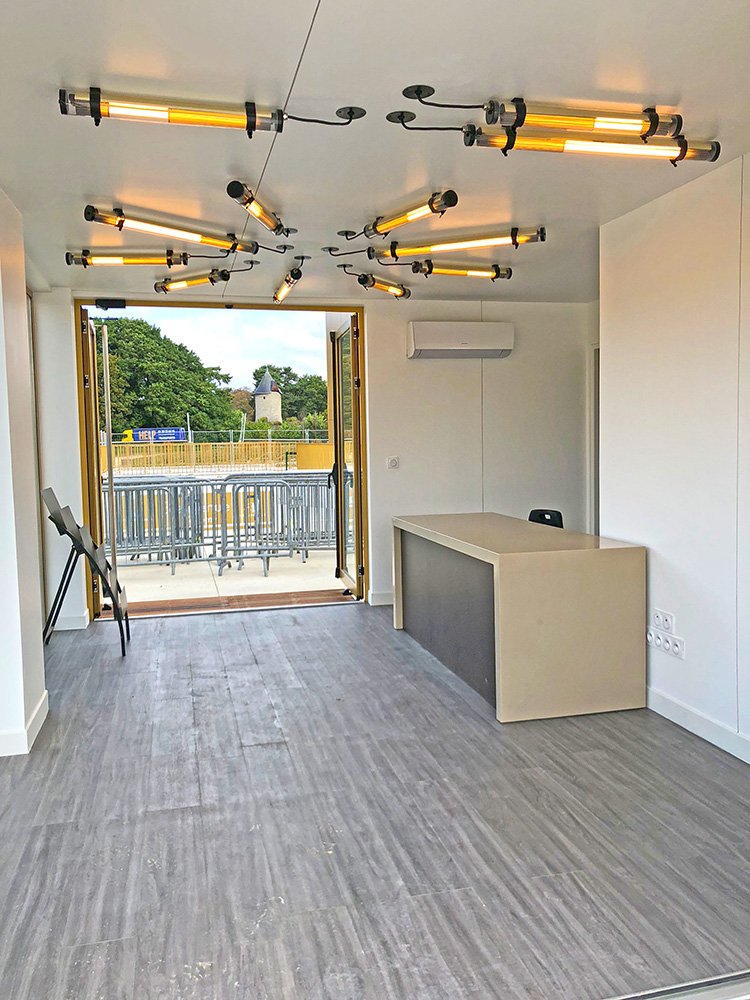
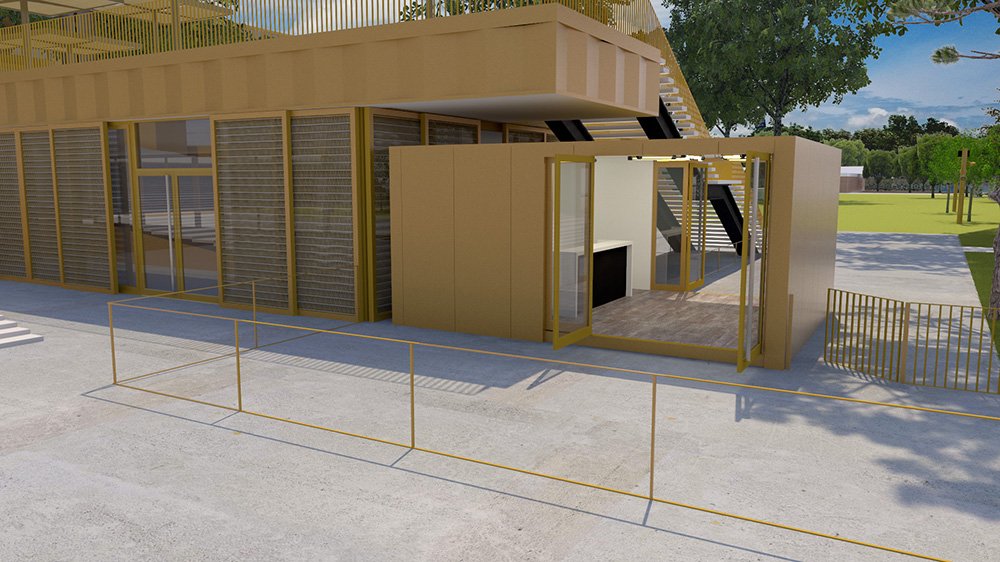
ParisLongchamp required movable facilities that could support ticketing, hospitality and entrance operations across different event configurations.
Through ADNEXO, ADERASSA supported the functional brief, design and engineering coordination, mock-ups, local fabrication oversight and installation planning for container-based units.
The modular approach responded to the need for facilities that could be positioned and adapted according to operational conditions. Its relevance depended on site constraints, logistics, regulations, service requirements and the role of each unit.
This example demonstrates how adaptable facilities can support event operations when design, visitor needs and deployment requirements are considered together.