Customer experience is shaped by the relationship between brand, place, service, product and operations—not by individual touchpoints alone.
ADERASSA helps owners, developers, operators and brands rethink retail environments across shopping destinations, flagship stores, pop-ups and mixed-use settings.
Our role is to translate customer behaviours and commercial objectives into practical requirements for experience strategy, spatial planning, services, technology and delivery.
Clarify priority audiences, customer behaviours, brand objectives and the role of the retail environment within its market and destination.
We connect the customer proposition with commercial priorities, spatial requirements and the operating model.
Align layout, circulation, services, staff, technology and physical and digital touchpoints across the customer journey.
This helps translate experience intentions into practical requirements for planning, design and day-to-day operations.
Explore flagship, pop-up, event-led and adaptable retail formats that can respond to different audiences, locations and commercial objectives.
Each concept is assessed against brand relevance, operational feasibility and its role within the wider customer strategy.
We draw relevant lessons from hospitality, attractions, events, digital commerce and destination environments.
Those lessons are adapted to each brand, audience, location and operating context.
We begin with the commercial environment’s purpose, customer proposition, operational constraints and long-term objectives.
Experience, technology and activation initiatives are considered in support of that core role.
We connect customer and brand strategy with spatial requirements, service concepts, operating models and implementation priorities.
This helps maintain coherence from concept development through delivery and operation.
We help teams assess flagship, pop-up, event-led and adaptable formats against different locations, audiences and operating conditions.
The objective is flexibility without weakening the brand proposition or critical operations.
We examine the journey across discovery, arrival, orientation, interaction, service, purchase and departure.
The approach considers customer needs alongside staff, service and operational requirements.
We connect physical and digital touchpoints where they can improve information, service quality and customer confidence.
Each touchpoint should respond to a defined customer or operational need.
We align programming, events, partnerships, staff and operating processes around clearer commercial and experience objectives.
This supports more consistent delivery across campaigns, locations and periods of activity.
FRENZYE is a digitally led French pastry brand whose customer experience extends from discovery and ordering to packaging, delivery and temporary physical locations.
ADERASSA has supported the connection between the brand’s online presence, physical presentation and pop-up operations.
The experience needed to remain coherent across very different touchpoints while responding to the practical requirements of food presentation, freshness, service and temporary retail environments.
Pop-up concepts also needed to adapt to different sites without losing the brand’s identity or disrupting operations.
ADERASSA’s contribution has included:
The work connects online interfaces, communications, packaging, pop-up environments and service requirements as parts of one customer journey.
Each channel has a different role, but the experience should remain recognisable and operationally workable across all of them.
FRENZYE demonstrates how a retail experience can extend beyond a permanent store and connect digital, product, physical and operational touchpoints.
It also illustrates ADERASSA’s integrated approach to customer journeys, temporary formats and delivery requirements.
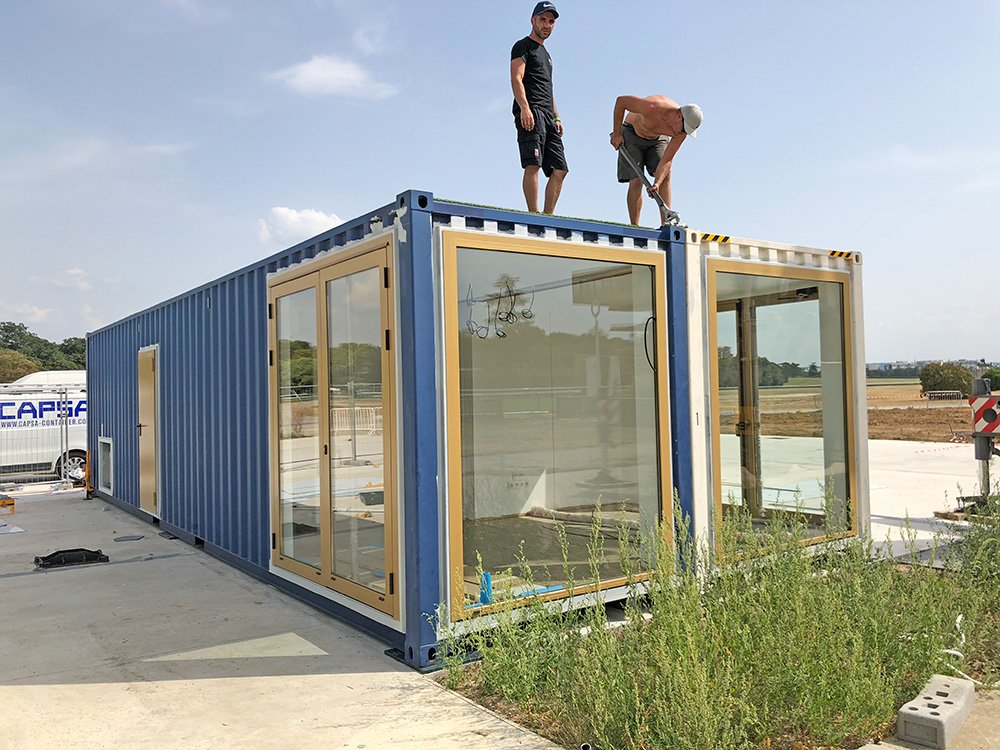
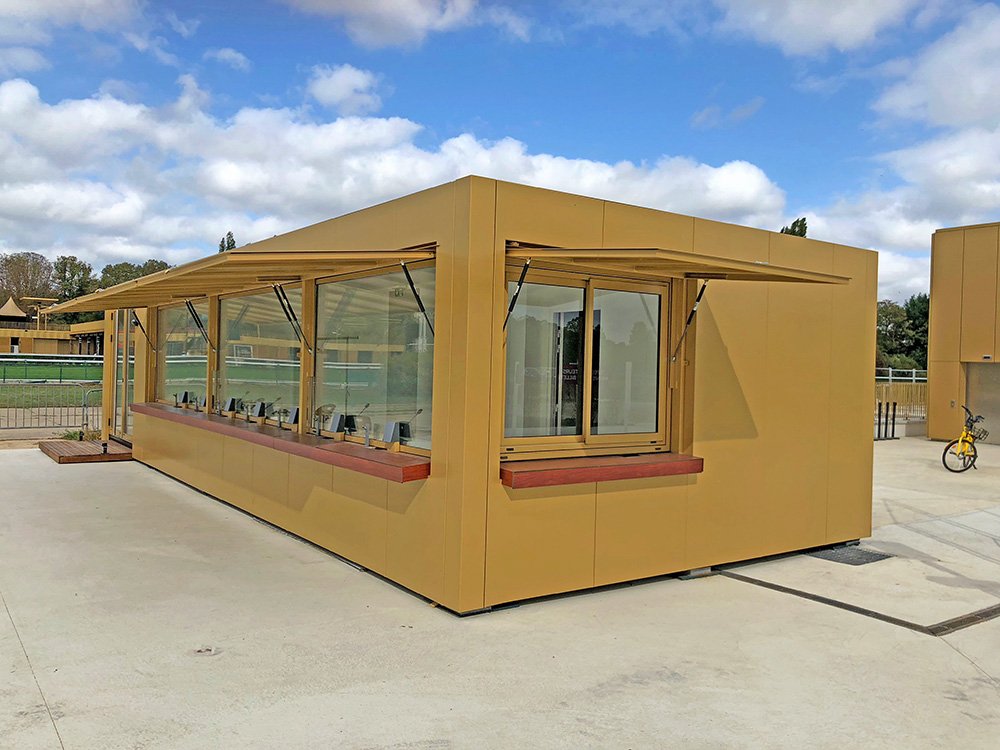
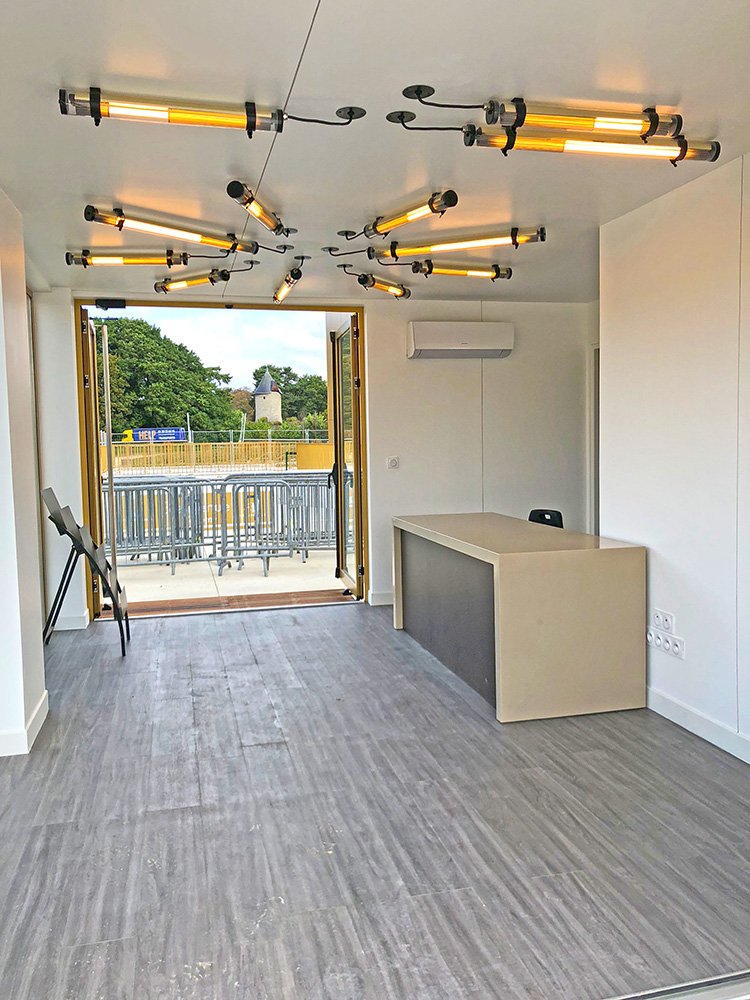
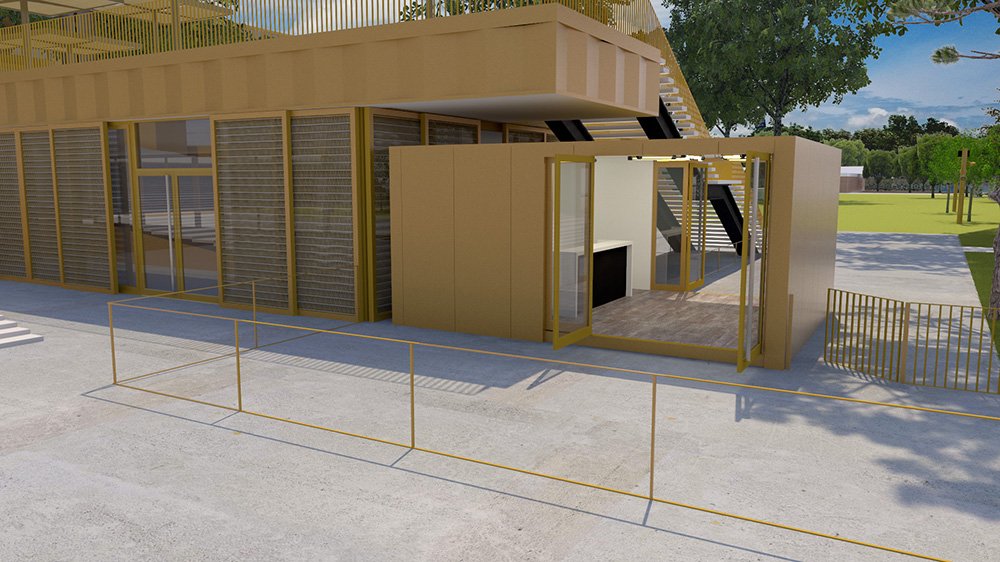
Through ADNEXO, ADERASSA can develop container-based and modular facilities when they offer a relevant response to temporary, mobile or adaptable retail requirements.
Potential applications include pop-up stores, product presentation, ticketing, hospitality, customer service and operational support.
The approach can cover functional briefing, design and engineering coordination, mock-ups, local fabrication oversight and deployment planning.
A modular or container-based solution is not treated as a default. Its relevance must be assessed against the site, brand, regulations, logistics, climate and operating conditions.